Are Portable Air Conditioners Worth the Investment

When the summer heat hits, staying cool becomes a top priority. Portable air conditioners (ACs) promise a flexible way to beat the heat without the hassle of permanent installation. But are they really worth the investment? This post explores the pros and cons of portable air conditioners, helping you decide if they fit your cooling needs and budget.
How Portable Air Conditioners Work
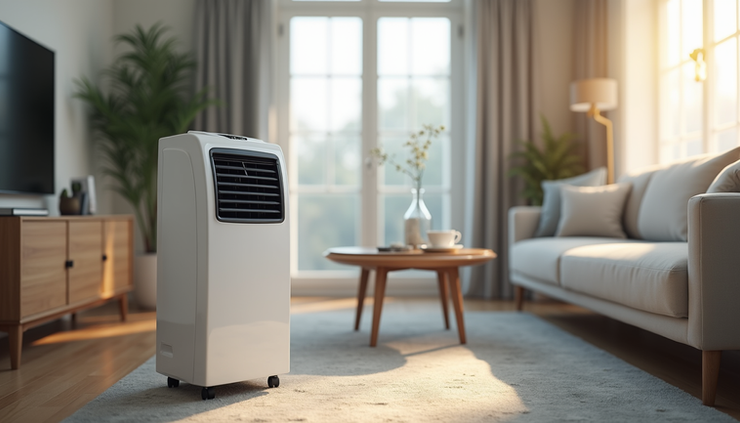
Portable air conditioners are self-contained units designed to cool a single room or small area. Unlike central AC systems, they do not require permanent installation. Most models use a hose to vent hot air outside through a window or wall opening. The unit draws in warm air, cools it using refrigerant, and blows the cooled air back into the room.
This setup makes portable ACs easy to move between rooms or take with you if you relocate. They typically include wheels and handles for portability.
Advantages of Portable Air Conditioners
Easy Installation and Mobility
One of the biggest benefits of portable air conditioners is their convenience. You don’t need professional help or tools to set them up. Most units come with a window vent kit that fits standard windows. This makes them ideal for renters or people who cannot modify their homes.
You can move the unit from your bedroom during the night to your living room during the day. This flexibility is a major selling point.
Lower Initial Cost
Compared to central air conditioning or window units, portable ACs usually cost less upfront. Prices vary depending on cooling capacity and features, but you can find reliable models for a few hundred dollars. This makes them accessible for people on a budget or those who only need temporary cooling.
Space-Saving Design
Portable air conditioners are compact and designed to fit in small spaces. They don’t block windows like window units, allowing natural light to enter. This is useful in rooms with limited window space or where window units are not allowed.
Additional Features
Many portable ACs come with extra functions such as dehumidifiers, air purifiers, and programmable timers. These features can improve indoor air quality and comfort beyond just cooling.
Limitations of Portable Air Conditioners
Cooling Capacity and Efficiency
Portable air conditioners generally cool smaller areas compared to central or window units. Their cooling capacity is measured in BTUs (British Thermal Units), with most models ranging from 8,000 to 14,000 BTUs. For a typical room of 300 to 500 square feet, a portable AC with 10,000 BTUs is usually sufficient.
However, portable ACs tend to be less energy efficient. They use more electricity per BTU of cooling compared to window units or central systems. This can lead to higher energy bills during extended use.
Noise Levels
Portable air conditioners contain all components inside the room, including the compressor and fan. This often results in more noise compared to window units, which place the compressor outside. Noise levels vary by model but can be distracting in quiet environments like bedrooms or offices.
Venting Requirements
To work properly, portable ACs need to vent hot air outside through a hose. This requires a window or wall opening. If your room lacks a suitable venting option, using a portable AC becomes difficult or impossible.
The vent hose can also be bulky and limit where you place the unit. Some users find the hose unattractive or inconvenient.
Moisture and Drainage
Portable air conditioners remove moisture from the air as they cool. This water collects inside the unit and must be drained regularly. Some models have self-evaporating systems, but many require manual emptying of a water tank. Forgetting to drain the tank can cause leaks or reduced performance.
When Portable Air Conditioners Make Sense
Renters and Temporary Cooling
If you rent your home or live somewhere you cannot install permanent AC, portable units offer a practical solution. They provide cooling without damaging walls or windows and can be taken with you when you move.
Small Spaces and Spot Cooling
For small rooms, home offices, or spaces where central AC is insufficient, portable air conditioners can provide targeted cooling. They work well in bedrooms, studios, or garages.
Supplemental Cooling
In very hot climates, portable ACs can supplement existing cooling systems. For example, if your central AC struggles to cool an upstairs room, a portable unit can help maintain comfort.
Tips for Choosing the Right Portable Air Conditioner
Calculate room size: Measure the square footage of the room you want to cool. Choose a unit with the appropriate BTU rating (roughly 20 BTUs per square foot).
Check energy efficiency: Look for Energy Star-rated models to save on electricity costs.
Consider noise levels: Read reviews to find quieter units if noise is a concern.
Look for easy venting options: Ensure your window or wall can accommodate the vent hose.
Evaluate extra features: Timers, remote controls, and dehumidifiers add convenience.
Maintenance and Usage Tips
Keep the air filters clean to maintain airflow and efficiency.
Regularly check and empty the water tank if your unit does not self-evaporate.
Seal gaps around the vent hose to prevent hot air from leaking back inside.
Use curtains or blinds to block direct sunlight and reduce cooling load.
Turn off the unit when not in use to save energy.
Final Thoughts on Portable Air Conditioners
Portable air conditioners offer a flexible and affordable way to cool small spaces. They are especially useful for renters, temporary setups, or supplemental cooling needs. While they have limitations in efficiency and noise, choosing the right model and using it properly can deliver comfortable relief from heat.


